Chocolate, grapes and raisins, currants, xylitol-sweetened treats, seasoned stuffing and gravy, macadamia nuts, alcohol, cooked bones, and fatty scraps are Christmas foods dogs can’t eat. Recipes and food gifts can hide hazardous ingredients, so keep questionable dishes out of your dog’s reach.
If your dog eats something concerning, contact your veterinarian, the ASPCA Animal Poison Control Center, or the Pet Poison Helpline right away. Have the food packaging or recipe details ready, and follow their instructions.
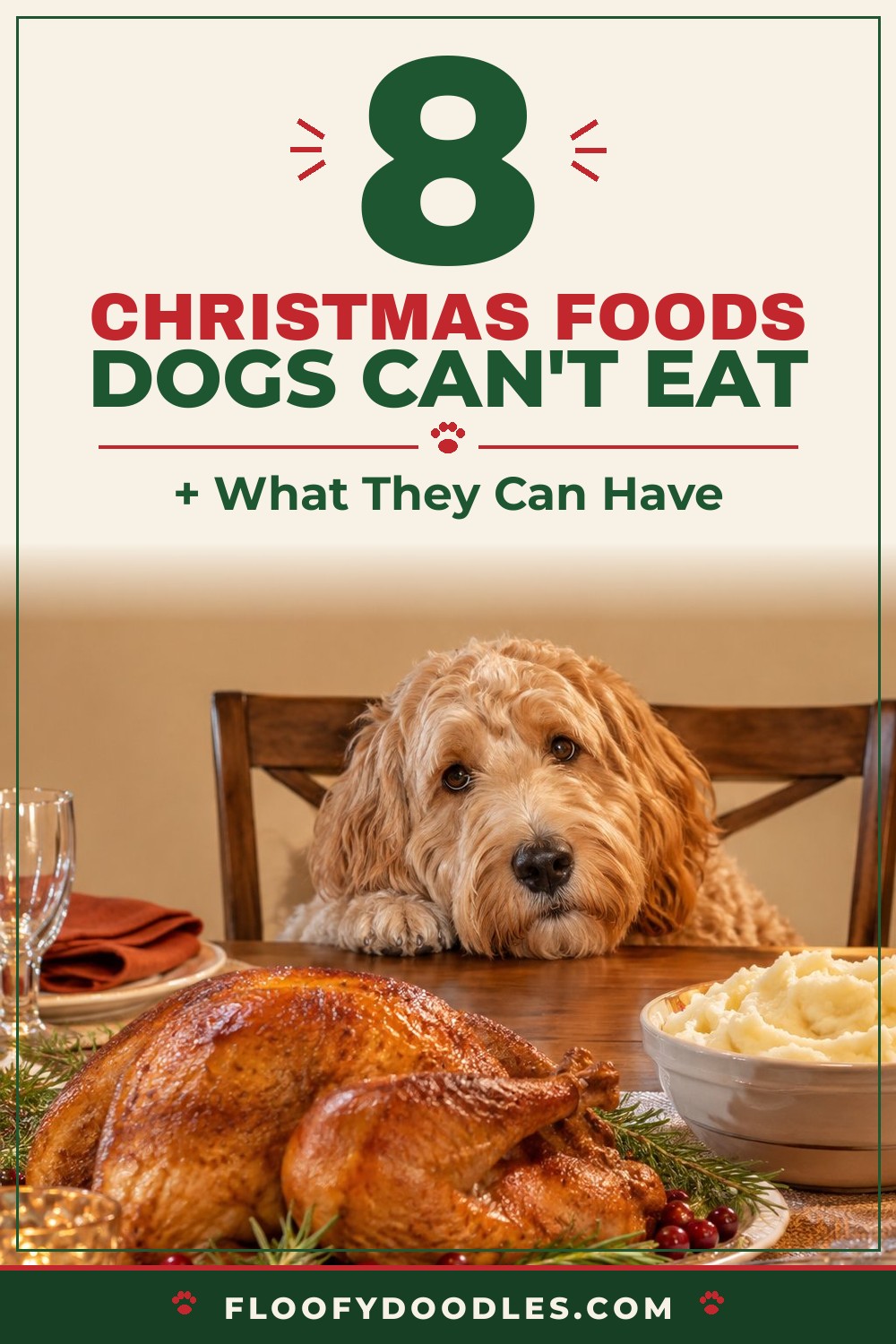
The 8 to keep away:
- Chocolate
- Grapes, raisins and currants
- Xylitol (in some sugar-free treats)
- Onions, garlic and chives
- Macadamia nuts
- Cooked bones and fatty trimmings
- Alcohol and raw yeast dough
- Moldy leftovers
High-Risk Ingredients Hidden in Holiday Food
Keep foods with toxic ingredients away from your dog, including dishes where those ingredients are mixed in. Holiday desserts and savory recipes can contain hazards that are easy to overlook.
Why Is Chocolate Dangerous for Dogs?
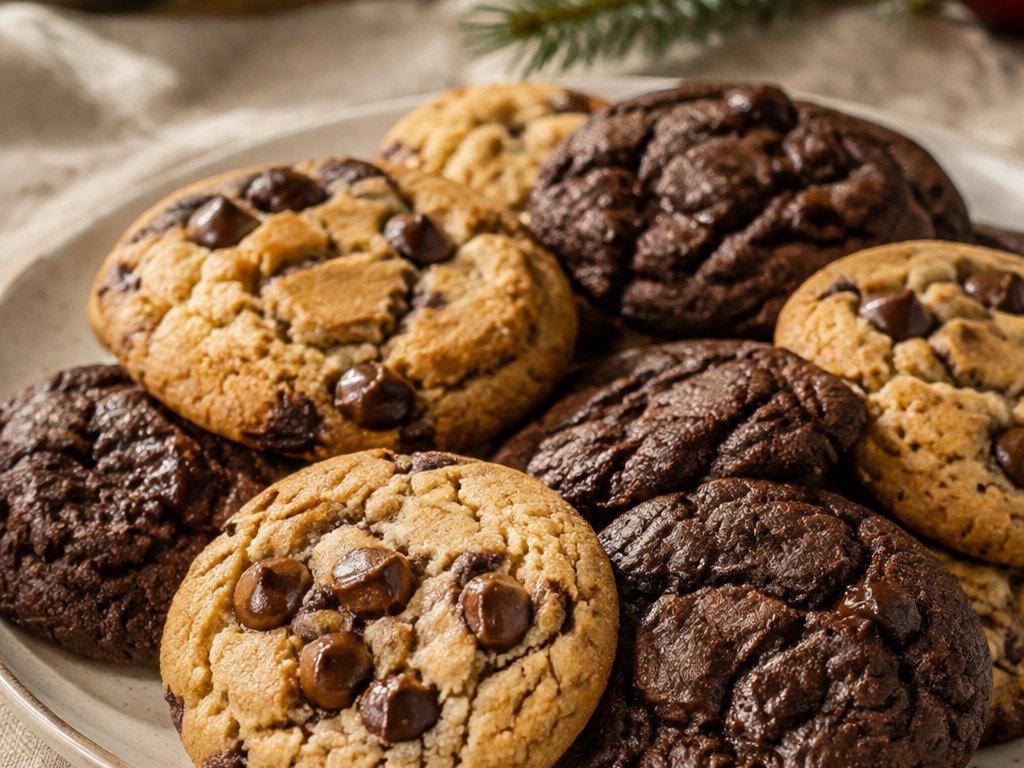
Chocolate can poison dogs, and Christmas cake, cookies, candy, and other desserts may contain it. Chocolate is among the holiday foods dogs should avoid.
Keep chocolate and chocolate-containing desserts in closed cupboards or other places your dog cannot reach. If your dog eats any, contact a veterinary professional promptly and share the type of chocolate and the amount you think was eaten.
Why Should Dogs Avoid Grapes, Raisins, and Currants?
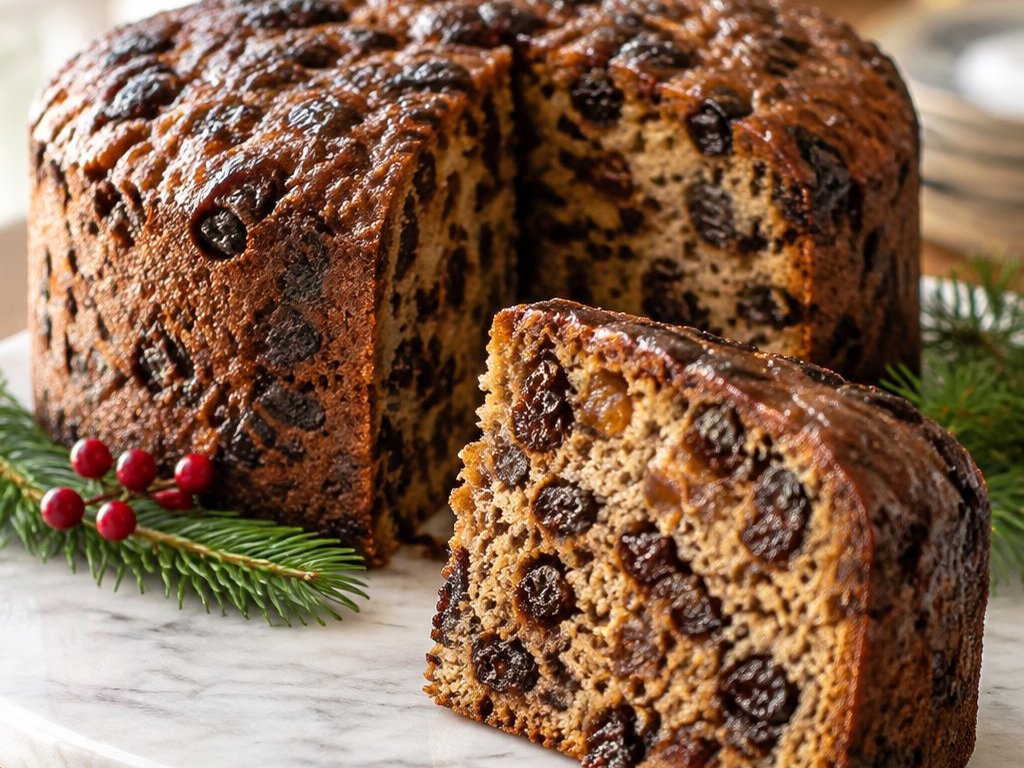
Grapes and dried vine fruits, including raisins and currants, can cause severe kidney injury in dogs. Christmas cake, mince pies, and puddings may contain these fruits, so keep the whole dessert away from your dog; dried vine fruits in festive foods are a known risk.
Check ingredient labels on baked goods and wrapped treats before bringing them within your dog’s reach. If your dog eats a food containing grapes, raisins, or currants, contact a veterinarian or animal poison-control service right away.
Where Can Xylitol Hide in Holiday Treats?
Xylitol, a sweetener used in some sugar-free products, can be dangerous to dogs. Check labels on sugar-free gum, candy, and baked goods, and keep any item listing xylitol well out of reach; xylitol-containing foods are listed among holiday hazards for pets.
Packaging may describe xylitol as a sugar alcohol or use another product name, so check the full ingredient list. If your dog eats a product containing xylitol, seek veterinary guidance immediately.
How Can Onions, Garlic, and Chives Make Dogs Sick?
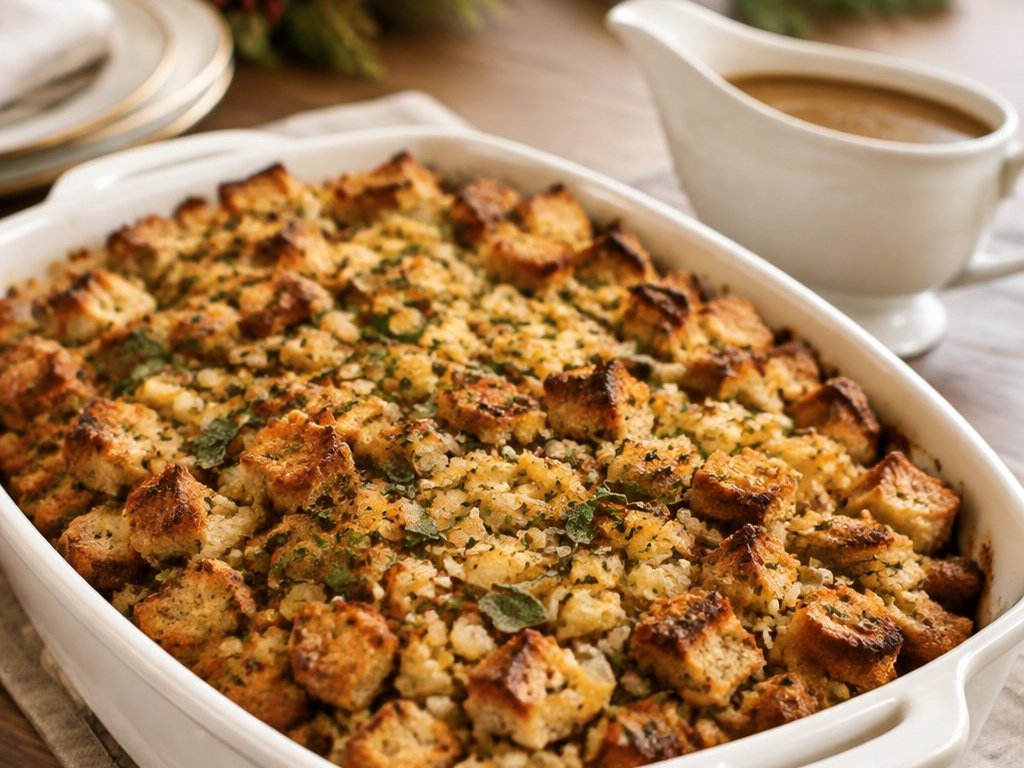
Onions, garlic, and chives can harm dogs, including when they are cooked into another dish. Stuffing, gravy, casseroles, and seasoned meats may contain these ingredients; alliums in holiday dishes can put pets at risk.
Keep serving spoons and plates out of reach, and check recipes before sharing any food. Avoid giving your dog the finished dish when you cannot confirm its ingredients.
What Should You Know About Macadamia Nuts?
Macadamia nuts are unsafe for dogs, including when they are baked into cookies or other holiday treats. Macadamia nuts are among the holiday foods that can be toxic to pets.
Store nut-containing desserts in a closed container and keep snack bowls off low tables. If your dog eats a treat containing macadamia nuts, contact your veterinarian for advice.
Other Holiday Hazards to Keep Away
Some holiday risks come from preparation and cleanup, not just from toxic ingredients. Keep bones, rich scraps, alcohol, rising dough, and spoiled leftovers where your dog cannot get to them.
Why Are Cooked Bones and Fatty Trimmings Risky?
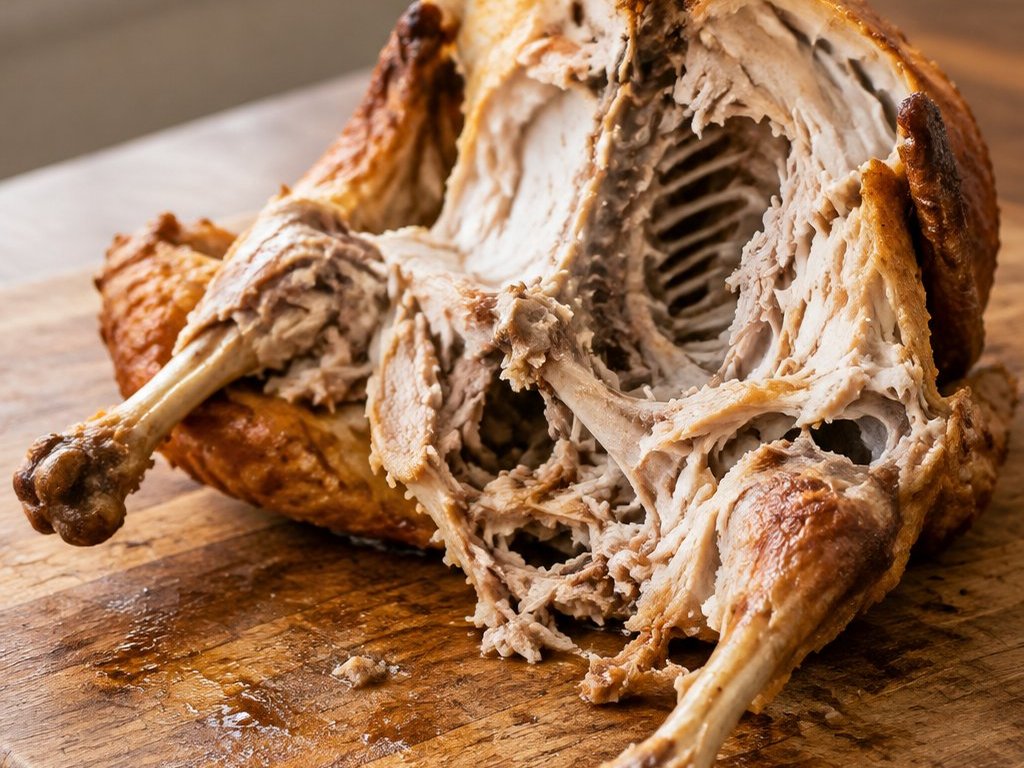
Keep cooked bones, turkey skin, and fatty meat trimmings away from your dog. Bone-in foods and rich scraps can cause serious problems, including digestive injury or pancreatitis; holiday safety guidance warns against rich or bone-in foods, and fatty or fried holiday foods can put dogs at risk of pancreatitis.
Remove bones before serving food, and put carving scraps straight into a secured container. Keep plates and serving platters away from counters your dog can reach.
What Makes Alcohol and Raw Yeast Dough Dangerous?
Alcohol and raw yeast dough can cause poisoning in dogs. Alcohol and other people foods are listed as hazards for pets, and raw dough should stay out of your dog’s reach during baking.
Keep drinks on stable, high surfaces and cover dough while it rises. If your dog gets into either, contact your veterinarian or an animal poison-control service right away.
Can Moldy Food in the Trash Harm Dogs?
Moldy leftovers in the trash can make dogs sick, so treat food waste as a hazard. Holiday safety advice recommends keeping pets away from food that can become moldy.
Use a trash can with a secure lid, and clear plates and food scraps promptly. If your dog eats moldy food, call your veterinarian for guidance.
What Can You Safely Share With Your Dog?
You can offer a small portion of plain, simply prepared food when you know every ingredient. Keep your dog’s serving free of bones, skin, seasoning, sauces, and rich additions.
How Can You Serve Plain Turkey and Green Beans?
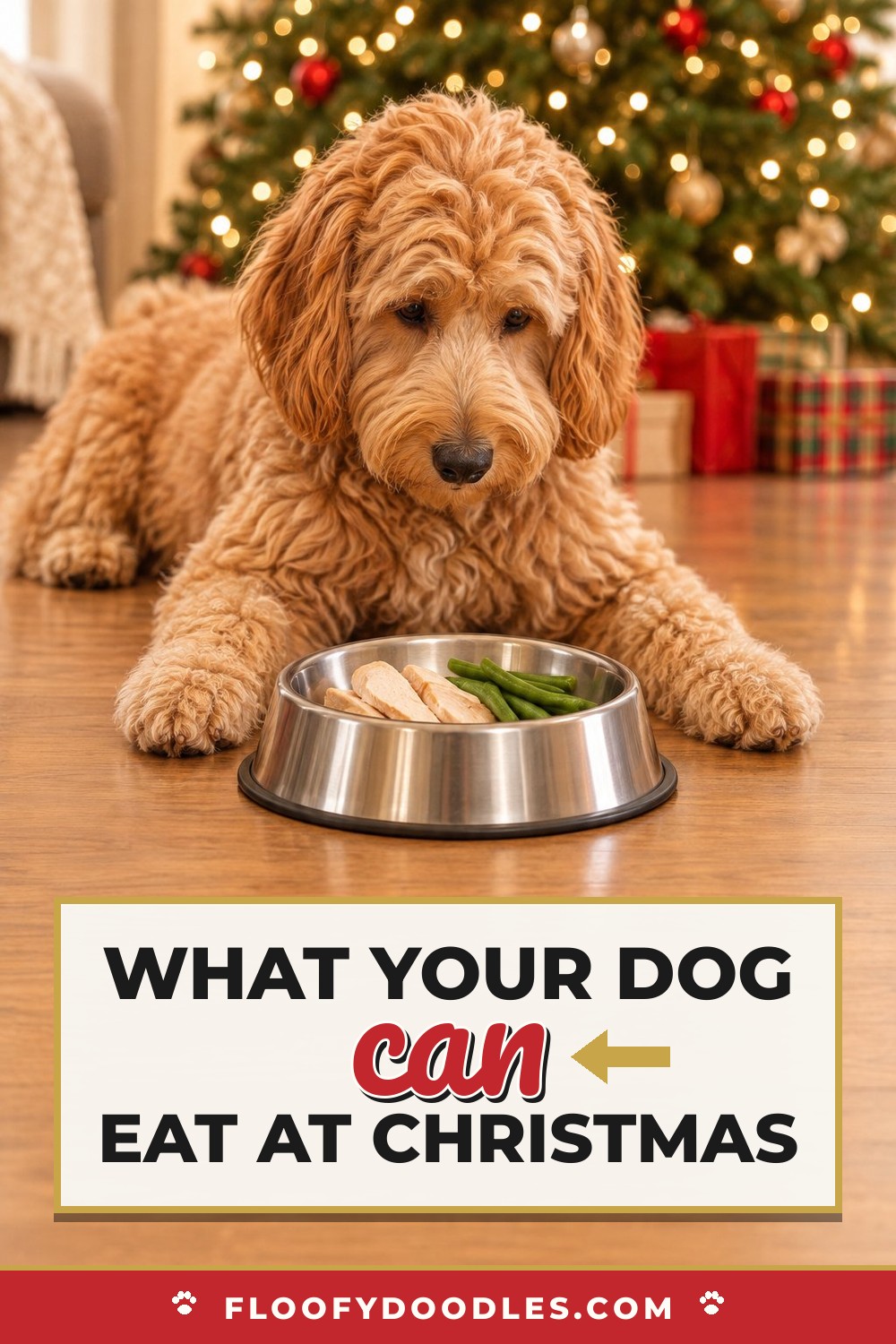
Plain, boneless cooked turkey meat and plain green beans are simple options to share in small portions. Choose turkey without skin or seasoning, and serve the beans without butter, salt, sauces, or added ingredients; these foods are suggested as options for a holiday meal for dogs.
Set your dog’s portion aside before adding seasonings or gravy to the family meal. Skip stuffing and mixed dishes, since their ingredients can be difficult to confirm.
What Makes a Holiday Treat Dog-Safe?
A dog-safe holiday treat is made for dogs and has a clear ingredient label. Use the serving guidance on the package, and keep treats containing chocolate, raisins, grapes, or xylitol away from your dog.
If you bake a treat at home, choose a recipe designed for dogs and check every ingredient before serving it. A festive shape or “sugar-free” label does not make a treat suitable for your dog.
How Can You Prevent Holiday Food Accidents?
A few clear household rules help keep food out of your dog’s reach. Ask guests to avoid sharing table scraps, keep unattended food covered, and secure food waste.
How Can Guests Help Keep Food Out of Reach?
Tell guests before the meal that your dog should receive only food you have approved. Ask them to keep plates, drinks, and wrapped treats on high surfaces or behind a closed door; holiday safety advice emphasizes preventing pets’ access to dangerous foods.
Give visitors a simple rule: no feeding from the table. If guests want to offer your dog a treat, provide a dog-safe option you have set aside.
How Do You Manage Counter-Surfing and Food Gifts?
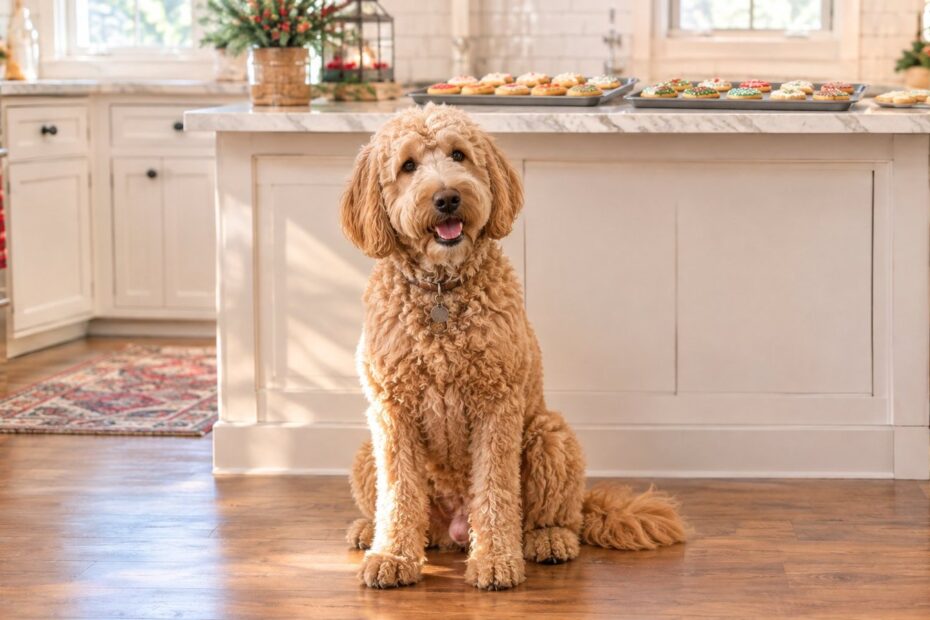
Keep food away from counter edges, especially if your dog can reach them by standing or jumping. Tall doodles can surprise guests by reaching a surface they assumed was out of range, so put food away between serving and cleanup.
Keep wrapped food gifts under the tree only if your dog cannot reach them, or store them elsewhere. Wrapping paper can hide the contents from you, but it does not keep a curious dog from sniffing or grabbing a package.
What Should You Secure in the Trash?
Use a trash can with a locking lid or keep it behind a closed door. Discard bones, food scraps, used napkins, and packaging promptly so your dog cannot investigate leftovers.
Ask guests to put plates and food waste directly into the secured bin. Check the area after the meal for scraps that may have fallen under the table or beside the trash.
A Safer Holiday Starts With Keeping Risky Foods Out of Reach
Keep toxic ingredients, bones, rich scraps, alcohol, raw dough, and moldy leftovers away from your dog, and call a veterinary professional promptly after a concerning ingestion. Plain turkey and green beans can be shared in small portions when they are prepared without seasoning or rich additions.
As you plan the celebration, you can also find ideas for Christmas dog photos and Christmas dog stocking stuffers.
Frequently Asked Questions
What should I do if my dog ate Christmas cake?
Contact your veterinarian, the ASPCA Animal Poison Control Center, or the Pet Poison Helpline right away. Christmas cake may contain raisins, currants, or chocolate, so share the label or recipe details when you call.
What can dogs eat for Christmas dinner?
You can offer a small amount of plain, boneless cooked turkey or plain green beans. Keep the serving free of skin, seasoning, gravy, stuffing, and sauces.
Can dogs have roast potatoes?
You can offer a small piece of plain cooked potato, with no butter, seasoning, or gravy. Avoid potatoes mixed with onion, garlic, or other ingredients you cannot confirm.
What are some safe Christmas foods for dogs?
Plain cooked turkey without skin or seasoning and plain green beans are simple choices in small portions. Dog-specific holiday treats are another option when you check the ingredient label and serving guidance.
What are the three toxic foods you should never feed your dog?
Chocolate, grapes or raisins, and xylitol-containing foods are three important examples of foods to keep away from your dog. Onions, garlic, chives, macadamia nuts, and alcohol are also hazards, so do not treat that list as complete.
Pin It for Later